What if a project could go beyond minimizing its negative effects on our environment, and actually improve it? Last month, landscape architect Gary Lai hosted a tour of Magic Johnson Recreation Area for USGBC-California members and students of Gary’s Cal Poly Pomona landscape architecture course.
Formerly a contaminated oil storage and distribution facility, Magic Johnson Park is an oasis in the middle of the underserved Willowbrook area of Los Angeles.
I believe the most exceptional aspect of this park is that it cleans polluted urban run-off water. This water then feeds two lakes, which are home to 300 species of migratory birds. The clean water then irrigates the green spaces of the park and flows to the Los Angeles River and the Pacific Ocean.
Even during LA’s driest months, there is a constant flow of water in our storm drain system. This water comes from landscape irrigation overspray, car washing, and other sources. The water is polluted with tire dust, motor oil, animal feces, and trash. At Magic Johnson Park, contaminated water from 375 acres of the surrounding neighborhood is diverted from the nearby Compton Creek. This water is filtered, treated, and finally passed through the plants surrounding the south lake. These plants provide biofiltration of the water.
To summarize the many positive aspects of Magic Johnson Park:
· Contaminated storm water is treated.
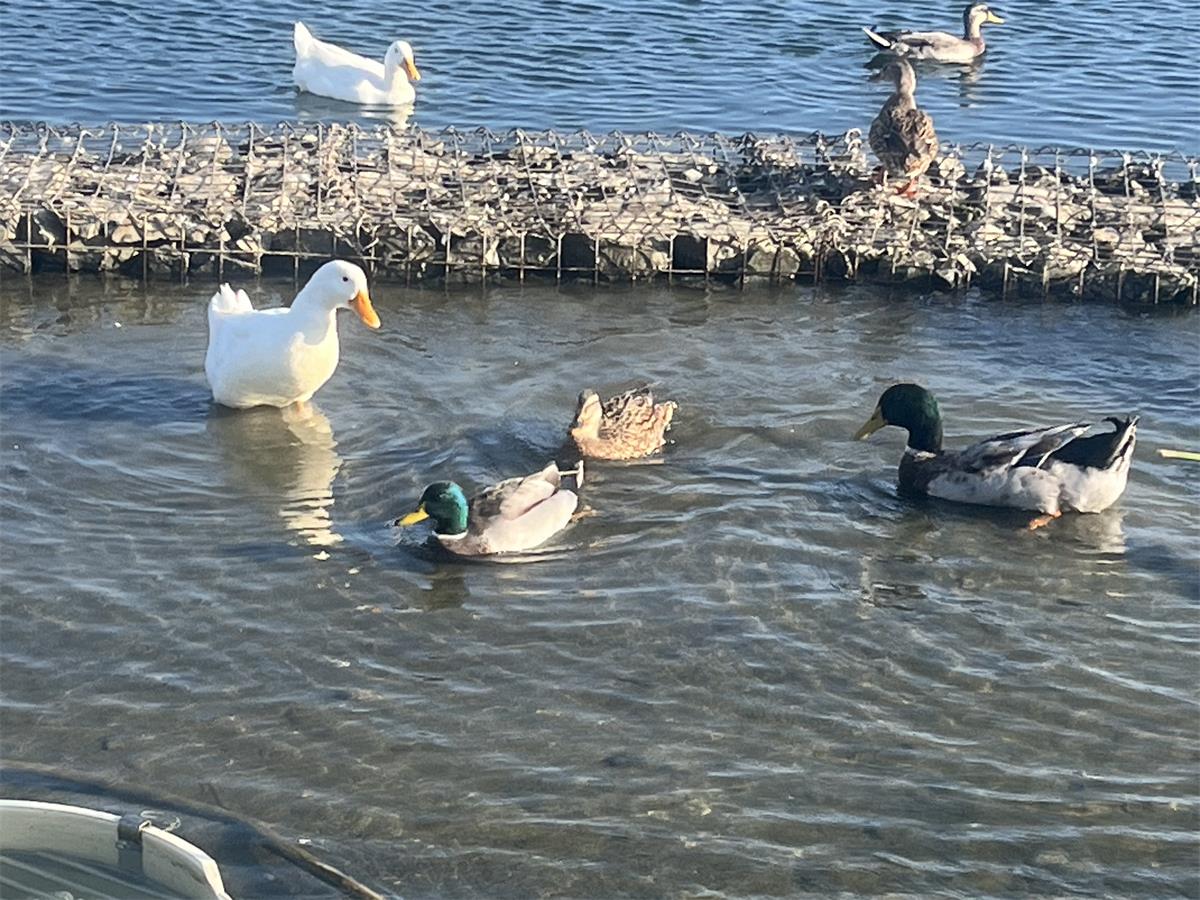
· The resulting lakes provide a home for geese, ducks, and other migratory birds.
· The community has a natural oasis in the middle of their community.
· Playgrounds, fitness trails, meeting rooms, and an outdoor wedding venue are part of the park.
· Treated water provides irrigation for the green areas.